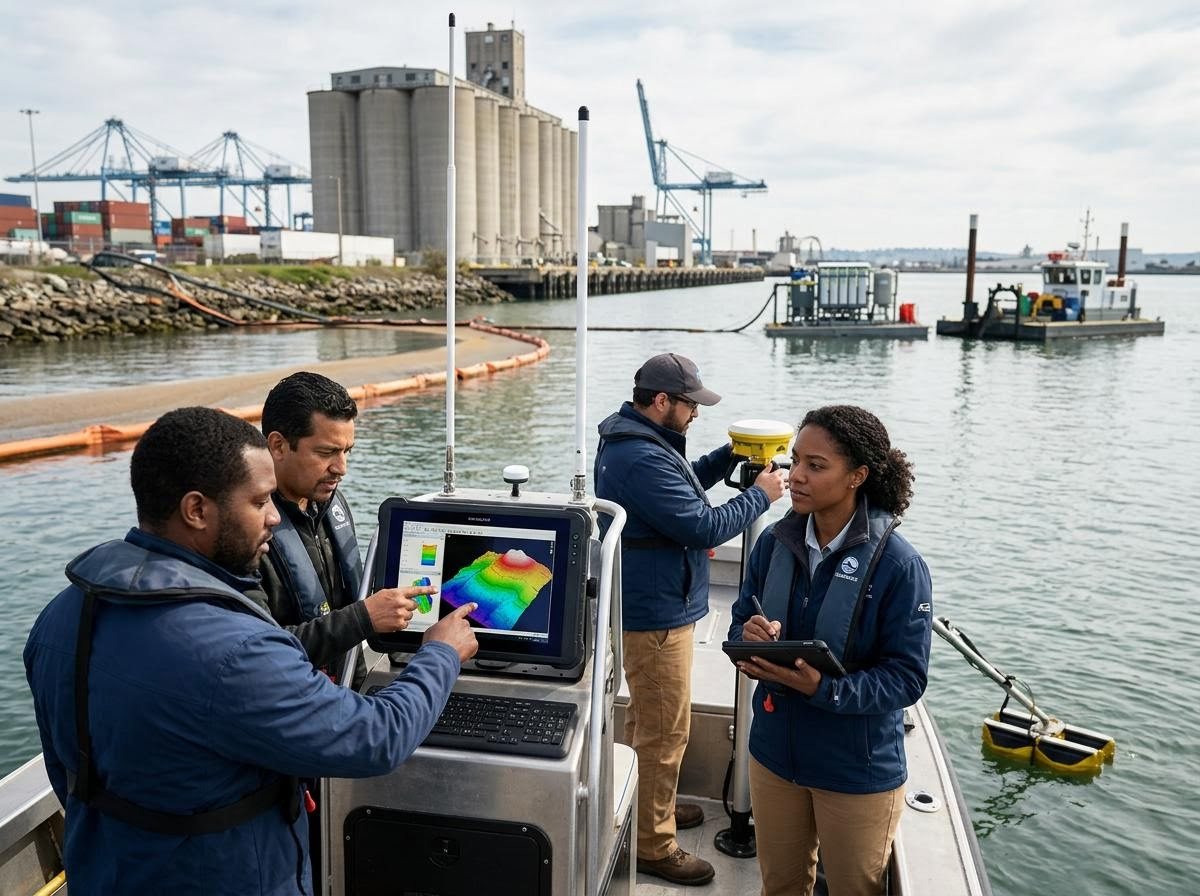
Industrial waste management presents significant challenges, demanding innovative and reliable solutions to minimize environmental impact and uphold operational efficiency. At Clear Water Products, we recognize that addressing the root causes of waste generation and spread is paramount. This blog post explores how the strategic combination of advanced bathymetric mapping and robust environmental solids control techniques offers a powerful, integrated approach to substantially reduce industrial waste volume and promote sustainable practices.
Precision Through Bathymetric Mapping
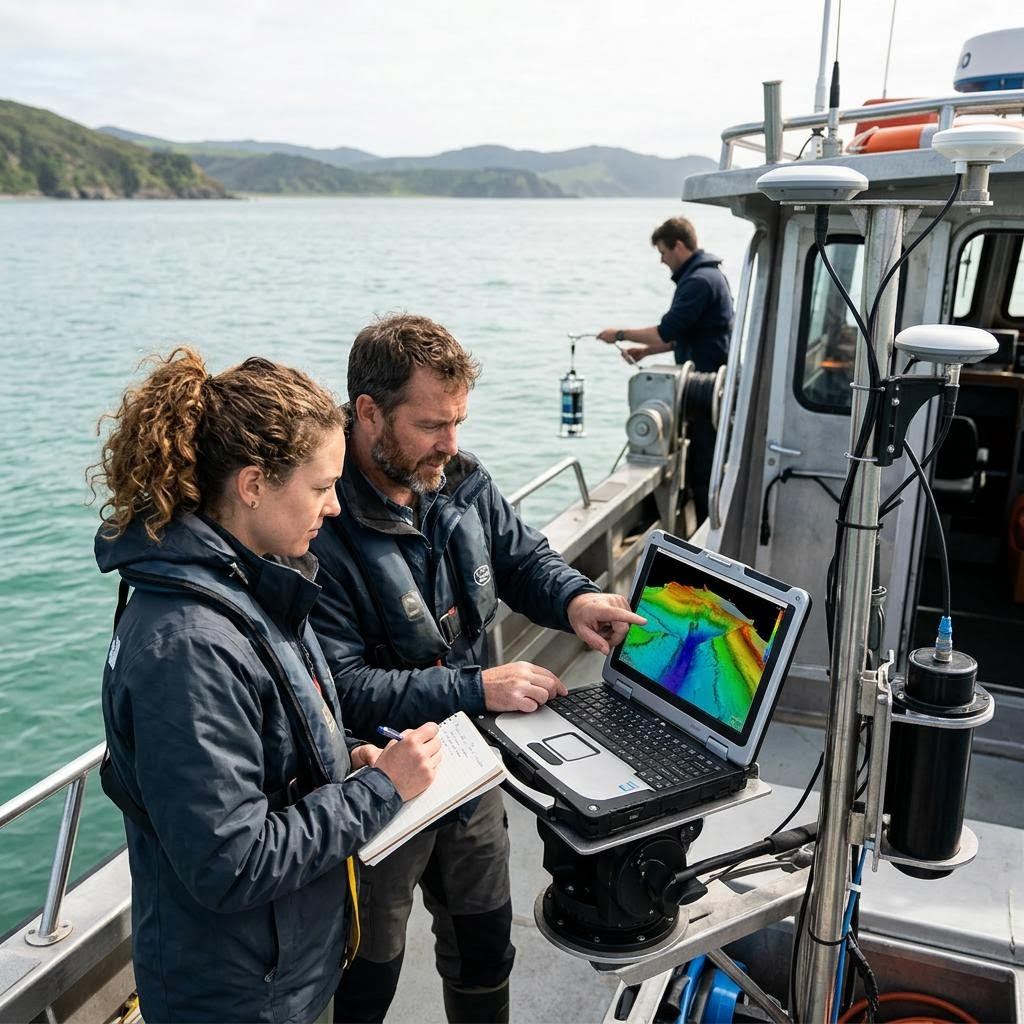
Understanding the underwater topography and sediment distribution is the critical first step in effective waste management in aquatic or near-aquatic industrial settings. Bathymetric mapping, performed by specialized bathymetric companies, provides precise, three-dimensional data of submerged areas. Utilizing sophisticated underwater mapping services, our professionals can accurately identify existing waste deposits, assess sediment accumulation patterns, and pinpoint potential areas of contamination. This detailed information is indispensable for planning targeted intervention strategies, ensuring that resources are allocated efficiently and effectively to areas most in need of remediation or containment, thereby preventing the unnecessary disturbance of clean areas.
Strategic Sediment Barrier Installation
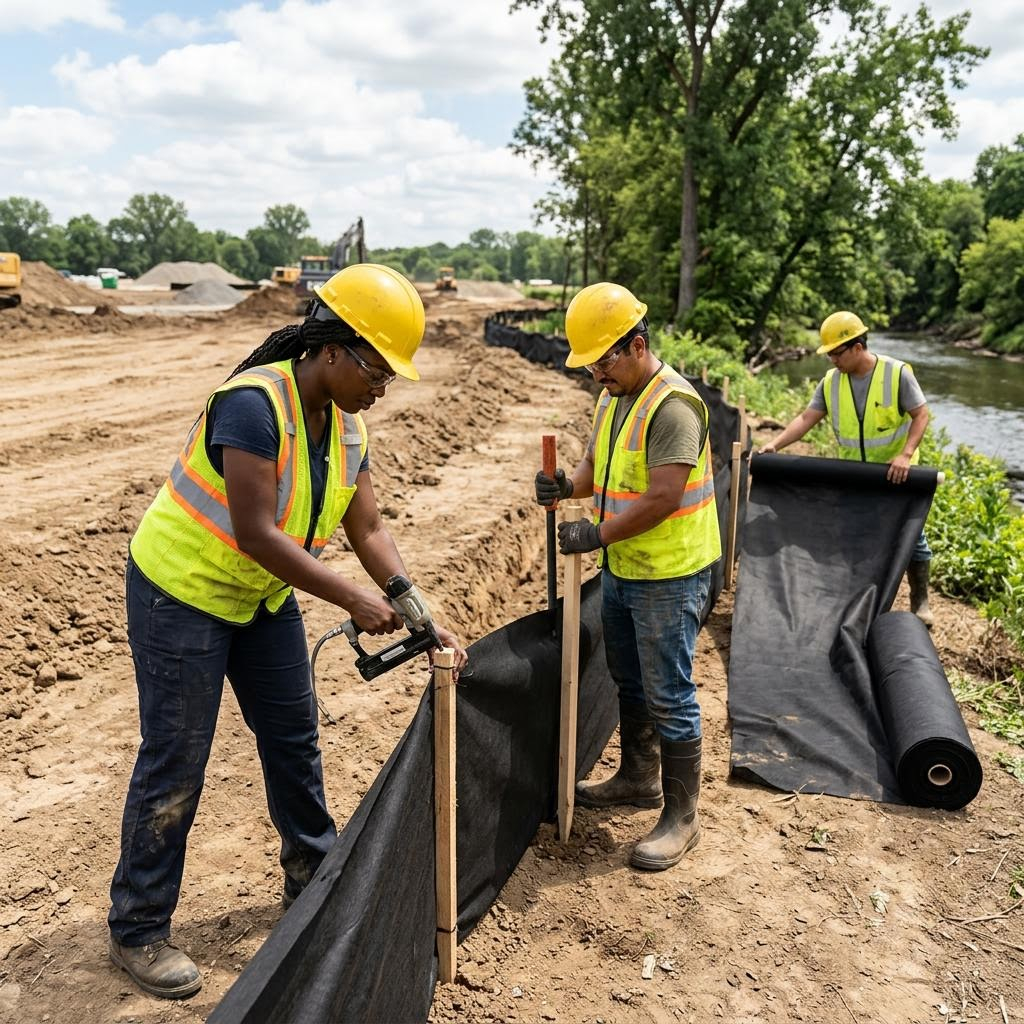
Once precise underwater data is gathered through bathymetric mapping, it directly informs the design and deployment of containment measures. The effectiveness of sediment barrier installation hinges on this initial data. By knowing the exact contours of the seabed, the flow dynamics of the water, and the specific locations of waste accumulation, barriers can be designed and positioned to prevent the migration of solids and pollutants. These barriers act as crucial containment zones, isolating waste materials and preventing them from spreading further into the environment, which is a key component in reducing the overall footprint of industrial waste and safeguarding surrounding ecosystems.
Efficient Environmental Solids Control
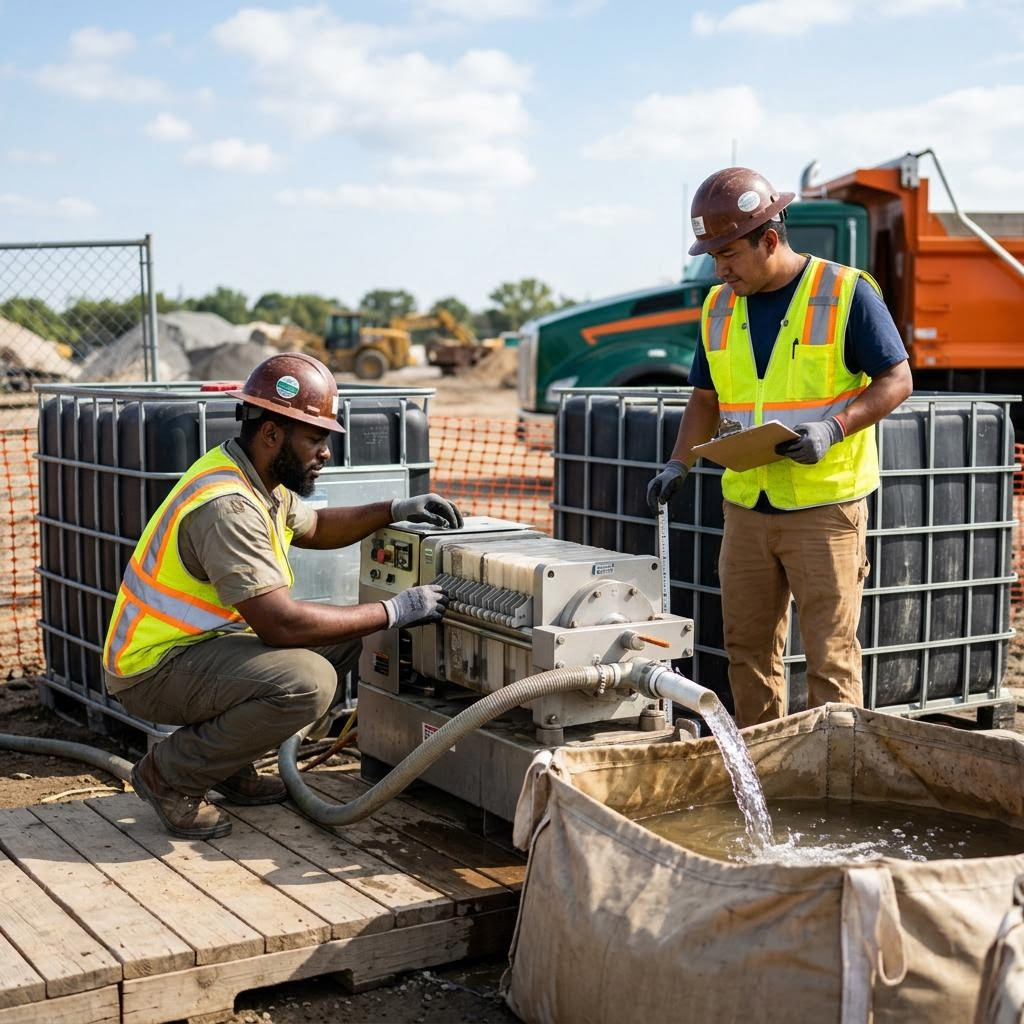
With waste contained and accurately characterized, the next phase involves active environmental solids control. This encompasses a range of techniques designed to separate, remove, and reduce the volume of solid waste materials from industrial effluent or contaminated water bodies. Methods often include advanced filtration, dewatering, and specialized processing equipment that can efficiently extract solids, significantly reducing the total volume of waste requiring disposal. This not only minimizes the physical amount of waste but also often recovers valuable resources or renders the remaining waste more stable and less hazardous, aligning with dedicated efforts towards environmental responsibility and operational efficiency.
CONTACT US TODAY
The synergy between detailed underwater mapping and proactive waste containment and treatment is undeniable, providing a comprehensive solution for managing and reducing industrial waste. By accurately identifying, containing, and then efficiently processing solid waste, industries can achieve significant reductions in waste volume, leading to more sustainable operations and a healthier environment. To learn more about how integrated waste reduction strategies can benefit your operations and contribute to a cleaner future, explore the innovative solutions designed for today's industrial challenges. Contact us today.